
A Turkish Student’s Deportation Case Is Halted — and a Community Is Watching Closely
By any measure, the case of Rümeysa Öztürk was not supposed to become a national test of immigration discretion.
A doctoral student at Tufts University, Öztürk found herself detained by U.S. Immigration and Customs Enforcementafter federal authorities moved to deport her. She was not charged with a crime. Yet she was transferred across state lines and held in detention while the government sought her removal.

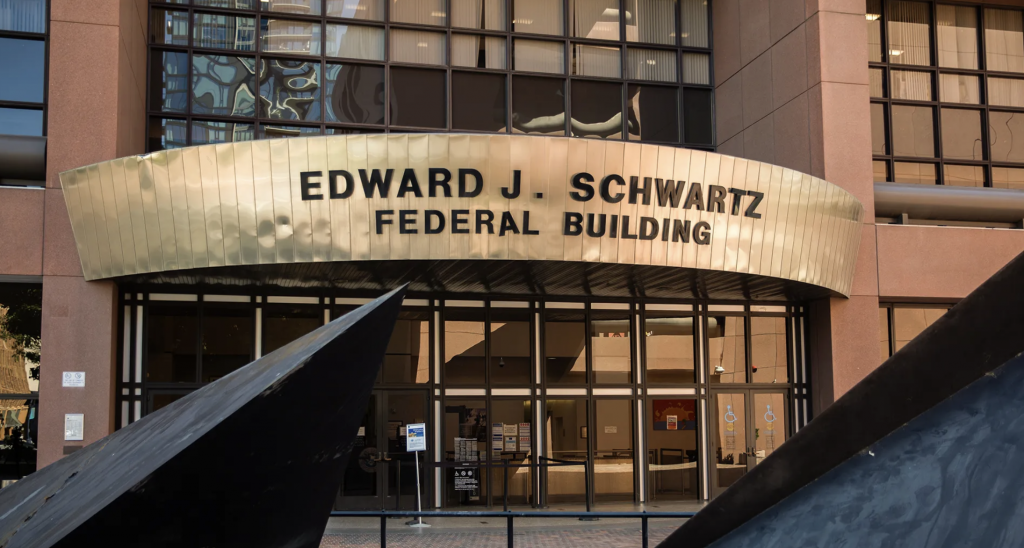
BOSTON — An immigration judge has terminated the government’s deportation case against Rümeysa Öztürk, a Turkish doctoral student at Tufts University whose arrest by masked federal agents last year became a flashpoint in a broader debate over immigration enforcement and political speech.
In a ruling dated Jan. 29, the immigration court found that the Department of Homeland Security had not met its burdento prove that Ms. Öztürk should be removed from the United States, according to court filings by her lawyers. The judge’s decision ends removal proceedings against her, though the government retains the option to appeal. The case was reported by VTDigger and corroborated in reporting by The Associated Press and NBC News.
Ms. Öztürk, a Ph.D. student from Turkey who, according to the AP and NBC News, studies children’s relationship with social media, had remained at risk of deportation even after a federal judge ordered her release from immigration detention in May. Her attorneys, including lawyers affiliated with the American Civil Liberties Union, have said she was targeted for speech — including an opinion essay she co-wrote criticizing Tufts’ response to the war in Gaza — a claim the government has not resolved through criminal charges.
“Today, I breathe a sigh of relief knowing that despite the justice system’s flaws, my case may give hope to those who have also been wronged by the U.S. government,” Ms. Öztürk said in a statement released by her lawyers, as reported by VTDigger and NBC News.
The Department of Homeland Security criticized the decision in statements to the press, characterizing it as “judicial activism,” and calling Ms. Öztürk a “terrorist sympathizer,” language reported by VTDigger and NBC News. The government has not, in these reports, presented evidence publicly to support that characterization.
A case that moved between court systems — and across states
Ms. Öztürk’s case has unfolded in two legal tracks that can be confusing even to Americans who follow immigration news closely.
The ruling that blocked her deportation came from the immigration court system, which sits within the Justice Department. Separately, Ms. Öztürk has challenged her arrest and detention in federal court, where judges have authority to review constitutional claims and the lawfulness of detention. VTDigger described the distinction and reported that her federal case has included appeals and additional litigation that remains pending.
The facts of her detention, as described by VTDigger, AP, and NBC News show a rapid sequence of events: she was arrested on a street near the Tufts campus area in Massachusetts by plainclothes and masked agents; transported and held overnight at an ICE office in St. Albans, Vt.; and then transferred to an ICE detention facility in Louisiana, where she was held until her release.
ICE has said Vermont was the closest facility available at the time, while Ms. Öztürk’s lawyers have argued the movements complicated where her detention could be challenged, VTDigger reported.
The broader angle: students, speech and the “privilege” of a visa
Her case gained national attention amid reports that the administration was focusing on foreign-born students and activists involved in pro-Palestinian advocacy. According to NBC News, Ms. Öztürk’s lawyers said the immigration court rejected a key government argument used in multiple cases involving campus activists critical of Israel.
In its public response, DHS emphasized that student visas are “a privilege, not a right,” a framing also quoted by AP and NBC News.
Immigration court proceedings are typically not public; in Ms. Öztürk’s matter, the decision was filed under seal, her lawyers told the appeals court, according to NBC News. That opacity can leave communities relying on secondhand descriptions in filings and official statements — a recurring challenge for immigrant advocacy groups trying to distinguish rumor from verifiable developments.
What this means for Turkish Americans watching closely
For Turkish Americans — including readers of TCUSAPAC and community organizations that often serve as first points of contact for students and families navigating the immigration system — the end of Ms. Öztürk’s removal case may feel like a rare moment of stability in a process that can otherwise stretch for years. But it is not, by itself, a guarantee that her legal battles are over.
Her attorneys have warned that the government could seek to detain her again if it appeals, a possibility noted in VTDigger and AP. Meanwhile, her federal litigation challenging the arrest and detention can continue even with the immigration judge’s termination of removal proceedings, NBC News reported.
The case also underscores a practical reality for international students: immigration status can become precarious quickly — sometimes faster than universities, employers, or even families can respond — especially when legal arguments hinge on discretionary executive power rather than alleged criminal conduct. Ms. Öztürk has not been charged with a crime in the reporting cited by VTDigger.
As the government weighs whether to appeal, Ms. Öztürk’s case — now marked by an immigration judge’s finding that DHS failed to justify her removal — is likely to remain a reference point in how immigrant communities understand the intersection of speech, campus politics, and immigration enforcement in the United States.