
Turkey Calls for Urgent Diplomacy as Iran War Risks Wider Regional Conflict
urkish President Recep Tayyip Erdoğan warned this week that the escalating confrontation involving Iran, Israel, and the United States risks plunging the Middle East into a wider and more destructive conflict, urging an immediate halt to hostilities and a return to diplomacy.
Speaking during public remarks reported by several international outlets, Erdoğan said the ongoing military actions against Iran must stop before the crisis spreads across the region. He warned that continued escalation could draw multiple countries into a broader war with serious consequences for regional stability, energy security, and international trade.
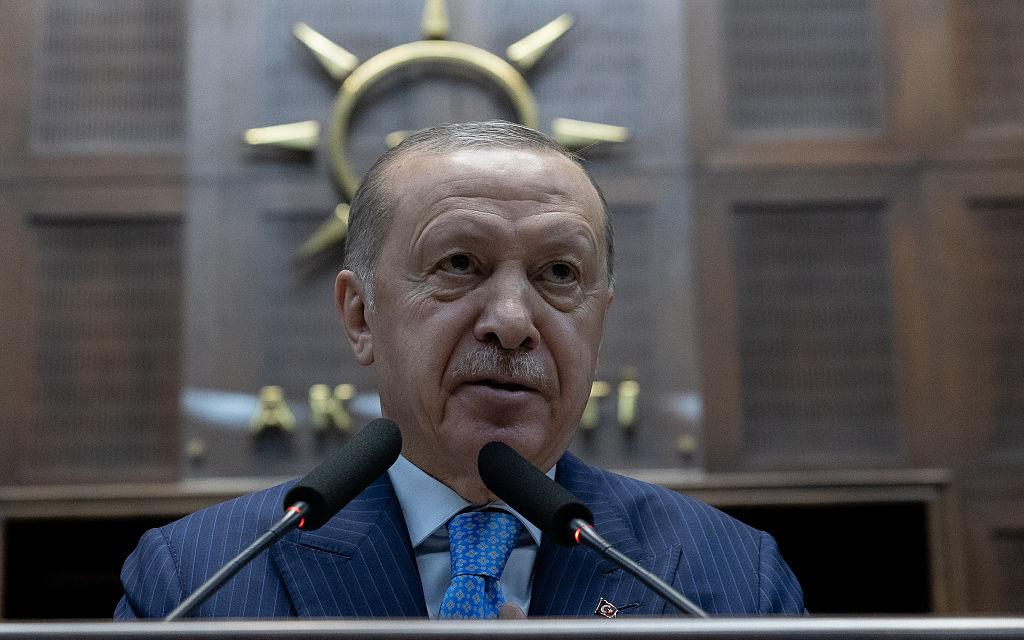
Turkey, a NATO member that borders Iran, has increasingly expressed concern about the growing tensions. Turkish officials say Ankara has been working through diplomatic channels to prevent the situation from deteriorating further.
“War benefits no one in this region,” Erdoğan said, emphasizing that the conflict must be resolved through dialogue rather than military confrontation.
Turkiye has attempted to maintain communication with multiple parties involved in the crisis, positioning itself as a country advocating for de-escalation while avoiding direct involvement in the conflict.
Hakan Fidan, Turkey’s foreign minister, recently stated that Ankara has been in contact with regional and international partners in an effort to prevent the fighting from expanding. Turkish officials say they believe diplomatic engagement is still possible, even as the conflict intensifies.
Analysts note that Turkey’s strategic position makes the crisis particularly sensitive for Ankara. The country shares a long border with Iran and sits at a crossroads between Europe and the Middle East, meaning any regional war could have immediate economic and security consequences.
Risks of a Wider Regional War
Security experts warn that continued escalation between Iran, Israel, and the United States could destabilize multiple countries across the Middle East.
Turkey has previously voiced concern that prolonged conflict could trigger a chain reaction involving regional militias, proxy forces, and additional military actors. Such developments could also threaten shipping routes, energy infrastructure, and trade corridors that are critical to global markets.
For Turkey, the stakes are particularly high. The country already hosts millions of refugees from previous regional conflicts and has repeatedly warned that further instability could generate new humanitarian and security challenges.
A Delicate Diplomatic Balance
While Ankara has criticized military strikes on Iran as violations of international law, Turkish officials have also urged all parties to avoid retaliatory actions that could further escalate tensions.
The government’s message has focused on preventing the conflict from expanding while encouraging diplomatic engagement among regional and global powers.
Whether those calls will translate into renewed negotiations remains uncertain. But Turkish officials say their priority is clear: preventing a crisis that could destabilize the entire Middle East.
Sources
Middle East Monitor — “Turkish president calls for end to US-Israeli war with Iran before it escalates” (March 2026).
Reuters — Reports on Erdoğan warning the region could be dragged into war.
Associated Press — Interview and reporting on Turkey’s diplomatic outreach.
Anadolu Agency — Coverage of Erdoğan’s statements calling for de-escalation.