
Türkiye Tries to Keep the Iran War at Arm’s Length. Geography May Not Cooperate
Türkiye’s leaders are signaling a familiar ambition in a volatile neighborhood: stay out of the fire, even as the sparks land close to home.
President Recep Tayyip Erdoğan has urged diplomacy to halt the war in Iran before the wider Middle East is, in his words, “thrown into the fire,” while emphasizing that Ankara is “acting with caution” to keep the conflict from crossing Türkiye’s borders, according to Reuters. At the same time, NATO air defenses have intercepted Iranian missiles “headed toward southern Turkey,” a reminder that even a country trying to remain on the sidelines can become an unwilling participant.
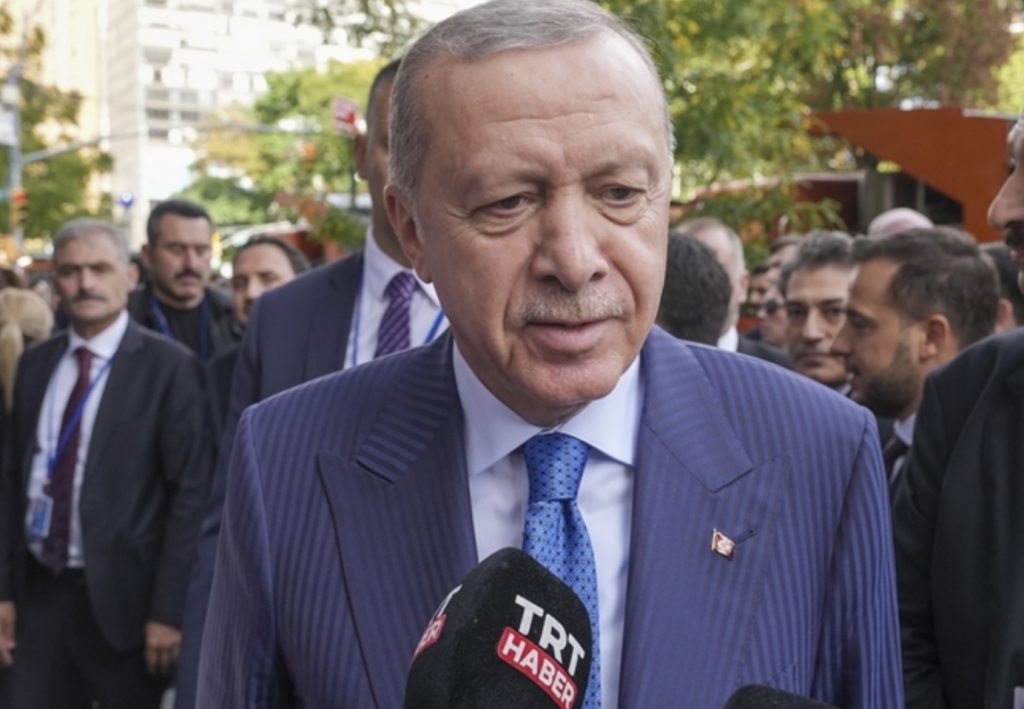
Foreign Minister Hakan Fidan has portrayed Türkiye as a diplomatic switchboard—engaging “all parties” and coordinating with Oman and others to return to negotiations, while warning about spillover risks to energy supplies and regional stability. Reuters (Mar. 3, 2026)
But the events of recent days suggest neutrality may be less a policy than a hope.
Analysts at the Atlantic Council describe a “shattered illusion” that Ankara can fully steer clear after missile interceptions over Turkish airspace, and they argue that the location of key NATO and U.S. facilities in southern Türkiye—along with the fog of war—creates pathways for escalation even without a deliberate Turkish decision to join the fight.
Why Türkiye wants to stay out — and why that’s hard
Türkiye’s reasons for avoiding direct involvement are not mysterious. They are structural:
Border reality and spillover risk
Türkiye shares a frontier with Iran and has lived through the aftershocks of conflicts next door—refugee flows, smuggling, militia activity, and sudden shifts in regional power.Economic exposure (energy, trade, markets)
Fidan explicitly warned about the risk to energy supplies and the global consequences of disruptions near the Strait of Hormuz. Reuters (Mar. 3, 2026)A Kurdish wild card that alarms Ankara
Carnegie’s Alper Coşkun writes that Ankara is especially wary of any war aims that shade into regime-change strategies involving Kurdish actors, given lingering scars from prior U.S.-Kurdish partnerships in Syria and their impact on U.S.–Türkiye trust. Carnegie (Mar. 6, 2026)Alliance management with Washington—and risk management with Tehran
Ankara is trying to preserve improved channels with the Trump administration while also avoiding an open-ended confrontation with a neighbor it will still have to deal with when the war ends. Reuters (Mar. 11, 2026) and Atlantic Council (Mar. 12, 2026)
In other words: Türkiye is aiming for a posture of “active diplomacy, defensive readiness.” But war has a way of punishing the countries in between.
What could “drag” Türkiye in anyway
Even if Ankara avoids offensive operations, several scenarios could force a response:
More missiles, clearer targeting, or casualties on Turkish soil
Reuters reports NATO interceptions of missiles headed toward Türkiye. If such incidents multiply—or produce casualties—the domestic and alliance pressure to act could rise quickly. Reuters (Mar. 11, 2026)Pressure tied to Incirlik and other NATO-linked infrastructure
Any perception that U.S./NATO assets in Türkiye are part of the operational picture increases the risk of blowback, intentional or accidental. Atlantic Council (Mar. 12, 2026)A widening proxy struggle
Carnegie and the Middle East Institute both highlight anxieties around Kurdish dynamics, internal Iranian instability, and the broader “vortex” problem: once multiple actors start pulling, staying out becomes harder. Carnegie (Mar. 6, 2026) and MEI podcast (recorded Mar. 11, 2026)
What this means for Turkish Americans (common-sense implications)
For Turkish Americans—especially those active in civic life or U.S.–Türkiye relations—the immediate implications are less about troop movements and more about perception, policy, and community impact:
U.S. politics may demand “taking sides,” and diaspora communities feel the heat
When Washington’s debate hardens, nuance gets punished. Turkish Americans often find themselves asked to “answer for” Ankara’s decisions even when they disagree with them—or have no connection to them. That can increase polarization and social pressure.Heightened scrutiny of U.S.–Türkiye security ties
As the war story focuses on airspace, bases, and missile defense, Türkiye’s role inside NATO can become a domestic political issue in the United States. That can spill into congressional attitudes on arms sales, sanctions, and bilateral cooperation—issues that Turkish American advocacy groups track closely.Family, travel, and business risks can rise even without formal escalation
War zones distort aviation routes, insurance costs, and regional commercial flows. Even rumor-driven instability can create real-world disruptions—especially for Turkish American families who travel frequently or maintain cross-border business ties.A need for community-level clarity: supporting peace is not “anti-anyone”
One practical takeaway for Turkish American organizations is to communicate a simple line that resonates across audiences: de-escalation and rule-based diplomacy protect civilians, protect U.S. interests, and protect Türkiye’s long-term stability.
A final, uncomfortable truth
Türkiye may genuinely want to stay out. Yet the sources above describe a region where intent is not control—and where proximity to strategic assets and contested borders can turn “neutrality” into a temporary condition rather than a durable stance.
Source:
- Reuters (Mar. 11, 2026): “Turkey’s Erdogan says Iran war must stop before whole region dragged in”
- Reuters (Mar. 3, 2026): “Turkey says it’s engaging with all sides to end Iran war, resume diplomacy”
- Atlantic Council (Mar. 12, 2026): “…the war in Iran poses greater risks to Ankara…”
- Carnegie (Mar. 6, 2026): “Turkey Has Two Key Interests in the Iran Conflict”
- Middle East Institute podcast (recorded Mar. 11, 2026): “Can Turkey Stay Out of the Iran War?”