
Türkiye’s New Iran Export Controls Put Focus on Enforcement and Credibility
Türkiye has introduced new export control measures targeting sensitive goods linked to Iran, a move that comes at a critical moment as tensions between Washington and Tehran continue to rise.
The new regulations expand oversight on military-related materials, weapons, and dual-use technologies—items that can serve both civilian and military purposes. Importantly, the rules also apply to goods transiting through Türkiye, an area that has long drawn attention from international regulators.
On paper, the changes signal a step toward closer alignment with Western sanctions frameworks. But analysts say the real test will not be policy design—it will be enforcement.
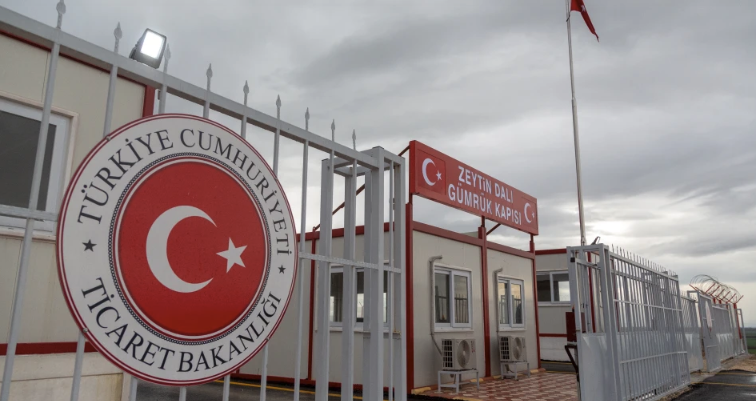
A Policy Shift Under Global Pressure The timing of the new controls is significant. With increased scrutiny on global supply chains and sanctions enforcement, countries that serve as regional trade hubs are facing growing pressure to prevent the movement of restricted goods.
Türkiye, positioned at the crossroads of Europe, the Middle East, and Asia, plays a central role in this system.
According to analysis from the Middle East Forum, Türkiye has previously implemented similar regulatory frameworks. However, concerns have persisted over whether enforcement has been consistent enough to meet international expectations. Past investigations and sanctions actions by U.S. authorities have pointed to networks that used regional trade routes—including those passing through Türkiye—to facilitate procurement activities linked to Iran.
Enforcement as the Key Variable Experts note that the effectiveness of Türkiye’s new measures will depend largely on how rigorously they are implemented. The updated framework introduces additional oversight mechanisms, including:
- Expanded government review of sensitive exports
- Increased regulatory authority for trade-related approvals
- Greater monitoring of transit shipments
These steps could strengthen compliance—if applied consistently. However, enforcement challenges are not unique to Türkiye. Globally, controlling dual-use goods and monitoring complex trade networks remains a difficult task, particularly in regions with high trade volume and interconnected supply chains.
Implications for U.S.–Türkiye Relations
The new export controls come at a time when U.S.–Türkiye relations are shaped by both cooperation and tension. If effectively enforced, the measures could:
- Improve confidence among U.S. policymakers
- Reduce concerns related to sanctions compliance
- Support broader cooperation in defense and economic areas
At the same time, continued concerns over enforcement could reinforce skepticism in Washington and increase pressure for further oversight or restrictions. In policy discussions, perception often plays a decisive role. How these new regulations are interpreted—and whether they are seen as effective—will influence future engagement between the two countries
Why This Matters for Turkish Americans
For Turkish Americans, developments like these are not abstract policy issues—they have real implications. Decisions made in Washington regarding Türkiye affect:
- Bilateral relations
- Defense cooperation
- Economic opportunities
- Community perception
As Türkiye’s policies evolve, so does the conversation around its role as a NATO ally and regional actor. This makes informed engagement increasingly important. Turkish Americans are uniquely positioned to contribute to a more accurate and balanced understanding of Türkiye’s strategic role, particularly in a period of heightened geopolitical tension. Türkiye’s move reflects a broader reality: global geopolitics is becoming more complex, and middle powers are navigating increasingly narrow margins between competing pressures. By strengthening export controls, Türkiye is signaling responsiveness to international concerns. But ultimately, credibility will be shaped not only by policy announcements—but by consistent implementation.
Sources
- Middle East Forum – “Türkiye’s New Iran Export Controls Face an Old Problem: Enforcement”
- Public reporting and analysis on global sanctions enforcement and Iran-related trade networks
- Regional geopolitical assessments on supply chains and compliance challenges