
A Diplomatic Pause, Not a Reset: The U.S.-Iran Talks That Aim to Stop a Wider War — and What They Signal for Türkiye’s Neighborhood
MUSCAT, Oman — After weeks of threats, naval deployments and public brinkmanship, American and Iranian officials sat down — indirectly and, at moments, face-to-face — for talks that both sides described as a “beginning,” not a breakthrough. The meeting in Oman was framed, above all, as an attempt to prevent the Middle East from sliding into another region-wide conflict. But the reporting and analysis published over the past 10 days suggests something more precise — and more sobering: diplomacy is functioning as a pressure valve, buying time as each side tests the other’s red lines and prepares for the possibility that talks collapse.
(The Washington Times, BBC, The Atlantic, Al Jazeera)
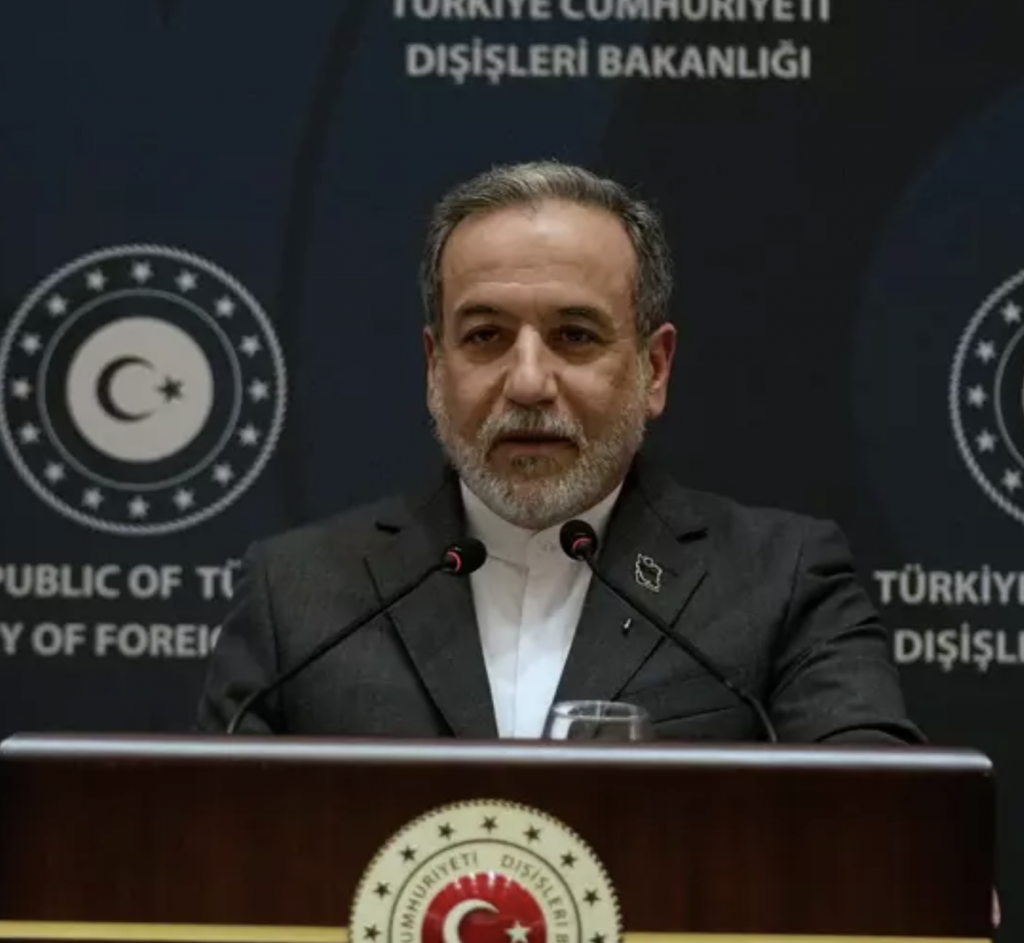
The venue fight was the first message
One early signal came not from what was discussed, but where and how. According to The Washington Times, Iran rejected holding the talks in Istanbul and insisted on Muscat — and on limiting the agenda to uranium enrichment, rather than a broader regional package. That choice, the article argued, exposed a quiet consensus among Gulf capitals: few expect a grand bargain; many want “time” to avoid miscalculation and contain spillover risk.
(The Washington Times, Threat Status (Washington Times newsletter))
For readers focused on Türkiye’s role: the venue dispute also hinted at a hierarchy of trust in regional mediation. Oman remains the default channel; others, even major regional powers, can be sidelined if Tehran suspects the room will widen beyond nuclear issues.
A narrow agenda meets a wide U.S. demand list
Iran’s foreign minister, Abbas Araghchi, said the discussions were “exclusively nuclear,” while U.S. officials publicly signaled they wanted missiles, regional armed groups, and human rights concerns on the table. That mismatch is not a technicality — it is the central obstacle.
(BBC, The Washington Times, Times of Israel)
The delegations themselves underscored the coercive atmosphere. Multiple outlets report that U.S. Special Envoy Steve Witkoff and Jared Kushner were involved, with senior U.S. military leadership present or expected — an overlap that broadcasts leverage, but can also harden mistrust.
(BBC, The Washington Times, Al Jazeera, The Atlantic)
“Buying time” is now a theme on both sides
In Tehran-aligned messaging, the idea that Washington is “buying time” is explicit. Iran’s judiciary chief warned the U.S. not to use negotiations as cover to expand its military posture in the region — language that reflects both suspicion and a desire to deter a strike by keeping talks alive.
(Iran International)
From Washington’s side, the “time” question looks different. The Atlantic reported that U.S. officials concluded they could not mount a major offensive as quickly as the rhetoric implied without meaningful risks: force protection, unclear objectives, limited regional enthusiasm for war, and the vulnerability of Gulf infrastructure and shipping routes. In that telling, diplomacy is not just an offramp — it is also a way to set conditions, move assets, and evaluate whether Iran is negotiating seriously.
(The Atlantic)
Other analysis suggests Iran may be attempting a familiar maneuver: deferring the missile issue without conceding it. The Institute for the Study of War argued that Iranian signaling about possibly discussing missiles “in the future” could be designed to prolong talks, reduce immediate strike risk, and extract nuclear-related concessions first.
What this means for Turkish Americans in the United States
1) A “limited talks / high tension” period can still raise domestic heat
Even if the most likely short-term outcome is neither peace nor war but a managed standoff, periods of U.S.-Iran crisis have historically increased public anxiety, misinformation, and sometimes community-level backlash. Turkish Americans are not Iranian — but in the U.S. domestic environment, Middle East crises can blur identities in public discourse. That can show up as online harassment, workplace tension, or local political polarization.
Practical implication: community organizations often end up doing “public education work” at home — explaining distinctions, defending civil liberties, and discouraging scapegoating — even when the conflict is abroad.
2) Türkiye’s regional posture becomes part of U.S. political debate — even when Türkiye is not in the room
One underappreciated signal in the coverage is that Türkiye offered (or was discussed as offering) a broader diplomatic venue, while Oman remained the accepted channel. That dynamic matters for Turkish Americans engaged in advocacy: it affects how Washington perceives which regional actors can “deliver” de-escalation — and who gets consulted when a crisis deepens.
(The Washington Times, Al Jazeera)
3) Energy and inflation risks are not abstract — they land in U.S. households
Multiple reports flag the vulnerability of Gulf shipping lanes and the broader fear of escalation. When decision-makers talk about avoiding a “regional war,” they are also talking about avoiding a shock to oil flows and insurance markets — costs that quickly transmit into U.S. prices.
(The Atlantic, BBC)
4) If talks narrow to “nuclear only,” the missile/proxy file could reappear as a rupture point
Across sources, the same fault line repeats: the U.S. side wants missiles and regional networks addressed; Iran rejects that as a sovereignty issue. That means the “success” most people should watch for is not a comprehensive grand deal, but whether both sides can sequence issues without triggering a collapse.
(BBC, Times of Israel, Institute for the Study of War)
What to watch next (the short list)
- Whether the next round stays “nuclear only,” or quietly expands (even if officials deny it).
(BBC, Al Jazeera) - Signals about missiles (any language like “future talks” or “later phase” can be a delay tactic — or a sequencing attempt).
(Institute for the Study of War) - Military posture around the talks (carrier presence, drone incidents, and force protection warnings are part of the negotiating environment).
(BBC, The Atlantic)