
Turkey Faces New Pressure Over ISIS Detainees as Regional Security Shifts
A new round of negotiations between Ankara and Baghdad over detained fighters from the self-proclaimed Islamic State is drawing renewed international scrutiny—while also raising complex questions about responsibility, regional security, and the legacy of the Syrian civil war.
In recent weeks, the government of Turkey has entered discussions with Iraq regarding the return of Turkish nationals among thousands of detainees linked to Islamic State (ISIS) currently held in Iraqi custody. The detainees were transferred from prisons in northeastern Syria after Kurdish-run camps and detention facilities began shutting down amid shifting control of territory in the region.
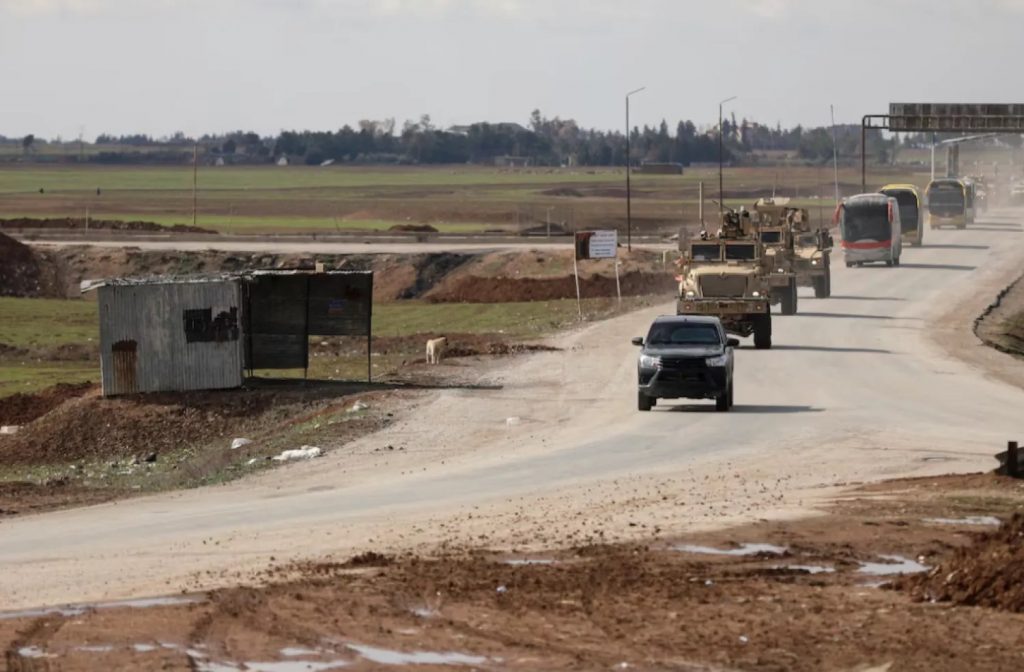
According to Iraqi officials, the country now holds more than 5,700 suspected ISIS fighters from over 60 countries, including approximately 160 Turkish nationals. Baghdad has urged all governments to repatriate their citizens to prevent Iraqi courts from being solely responsible for prosecuting foreign fighters captured during the war against the group.
Turkey has signaled that it is prepared to discuss taking back its citizens, a move that Iraqi authorities say could set an example for other nations reluctant to repatriate their own ISIS-linked detainees
The negotiations come amid renewed debate over Turkey’s earlier role during the rise of ISIS in the early years of the Syrian conflict. Some analysts argue that during the chaotic phase of the war, Turkey’s borders became a major transit route for foreign fighters traveling to join extremist groups in Syria and Iraq.
Turkish officials have consistently rejected accusations that the state intentionally supported ISIS. Ankara maintains that it was itself a target of ISIS terrorism and ultimately joined the international coalition fighting the group, conducting military operations and arrests inside Turkey.
Indeed, the country suffered some of the deadliest ISIS attacks in the region, including bombings in major cities and mass-casualty incidents that shook Turkish society during the height of the group’s expansion.
For Turkish policymakers, the current negotiations are less about revisiting the past than about addressing a pressing security issue: what should be done with citizens who joined a terrorist organization abroad.
The Dilemma of Repatriation
The question of repatriating ISIS fighters has troubled governments across Europe, the Middle East, and North America for years.
Many countries have hesitated to bring their citizens home because prosecution can be legally difficult, evidence from conflict zones is often limited, and intelligence agencies fear that returning fighters could present long-term security risks.
Iraq, however, has grown increasingly frustrated with housing thousands of foreign detainees and has pushed for a global solution.
“Iraq’s efforts should set an example,” a Turkish diplomatic source said, emphasizing that countries should assume responsibility for their nationals involved in terrorism.
A Shifting Security Landscape
The renewed focus on detainees comes as the broader security environment in Syria continues to change. The withdrawal or repositioning of some international forces and the shifting balance of power among local actors have complicated the management of ISIS prisons and camps.
Security experts warn that instability around detention facilities could create opportunities for ISIS fighters to escape and regroup if a coordinated international approach is not developed.
Why This Matters for Turkish Americans
For Turkish-American observers, the debate highlights how narratives about Turkey’s role in regional conflicts often intersect with geopolitical rivalry and competing interpretations of the Syrian war.
While some think tanks and analysts frame Ankara’s past policies in stark terms, Turkish officials and many analysts in the region argue that the country faced a uniquely complex security environment along its southern border—one that included civil war, mass refugee flows, and terrorist threats from multiple groups.
As negotiations continue, the question confronting Ankara is not simply diplomatic. It is legal, political, and deeply strategic:
How should a country deal with citizens who joined one of the most brutal extremist organizations of the modern era?
And equally important, how can governments ensure that the aftermath of ISIS does not become the starting point for the next wave of instability in the Middle East
Sources
Turkey Negotiates Repatriation of ISIS Detainees It Once Enabled – Analysis by Sinan Ciddi and Ahmad Sharawi, Foundation for Defense of Democracies (Feb. 26, 2026).
Iraq says Ankara agrees to take back Turkish citizens among ISIS detainees – Reuters reporting on negotiations between Turkey and Iraq regarding ISIS detainees.
Russia and Turkey ready to take back ISIS prisoners from Iraq – Reporting on Iraq holding foreign ISIS fighters from dozens of countries.
– Associated Press report on the transfer of more than 5,700 ISIS detainees from Syria to Iraq during a U.S.-led operation in 2026.
– Coverage of international pressure on countries to repatriate citizens linked to ISIS currently held in Iraqi prisons.