Türkiye Presses for Diplomacy as Washington and Tehran Edge Toward New Rules
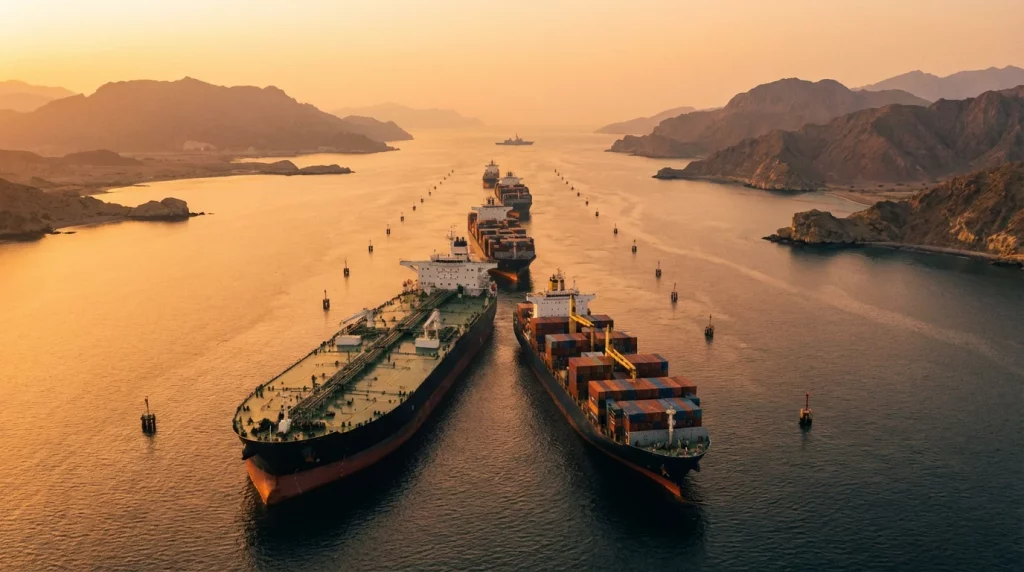
When Turkish officials speak about the Strait of Hormuz, they are not making an abstract point about maritime law. They are talking about a choke point that can jolt energy prices, disrupt shipping, and widen a conflict’s blast radius in days — including into American households and businesses.
On April 13, Türkiye’s foreign minister, Hakan Fidan, publicly raised concerns about the possibility that new U.S.- or Iran-linked “rules” or arrangements governing transit through the strait could emerge from talks — and warned that attempts to manage the waterway through military measures could prove difficult, unpopular, and destabilizing. Instead, he argued the strait should be reopened through diplomacy and “convincing methods” with Iran. Reuters U.S. News
Fidan’s remarks came as negotiations referenced in the reporting appeared to stall, and as the United States moved to tighten pressure in the region — steps that, in turn, raised the prospect of a more formalized, contested regime around passage through Hormuz. Reuters
A familiar Turkish posture: ally, neighbor — and reluctant bystander
Türkiye’s position is shaped by geography and alliance politics at once: it is a NATO member that depends on stable trade routes and energy flows, and it is also a regional power that knows how quickly war at sea becomes economic pain on land.
In the Reuters account, Fidan underscored three points that read like a checklist of Ankara’s anxieties:
- “New regulations” risk becoming a long-term problem if either side seeks to set de facto conditions for passage. Reuters
- An international armed force to reopen or police the strait would face “many difficulties,” including limited appetite among countries to join such a mission under wartime uncertainty. Reuters
- Diplomacy is the fastest off-ramp — and the only one that avoids making Hormuz “part of the war.” Reuters
Other coverage in the same period echoed the broader theme: Turkey’s officials were signaling that escalation in Hormuz would carry costs far beyond the immediate combatants, especially for trade and energy security. Al Arabiya EnglishEuronews
Why this matters to TCUSAPAC readers and Turkish Americans
For Turkish Americans, the Hormuz story is not only a “Middle East crisis.” It is a U.S. cost-of-living and economic stability story:
- Energy price shocks can quickly affect transportation, manufacturing inputs, and household budgets.
- Supply-chain delays hit small businesses first — the importers, exporters, and logistics operators that many Turkish American communities are deeply connected to.
- Alliance signaling matters: if NATO allies publicly disagree about who should do what in a crisis, adversaries interpret that as opportunity.
For TCUSAPAC, the deeper Washington lesson is this: when a conflict turns into a dispute over “rules,” it can harden into policy — sanctions regimes, maritime enforcement, and long-term diplomatic rifts that become hard to unwind.