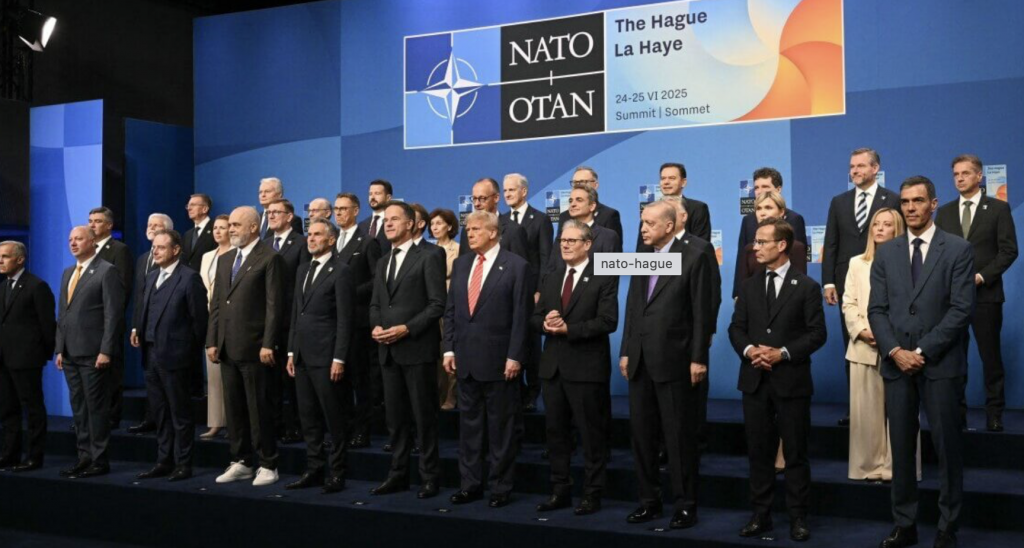
Türkiye Pushes a “Reset” With Trump — and Prepares for a Smaller U.S. Role
Ankara’s NATO Summit Moment: Türkiye Pushes a “Reset” With Trump — and Prepares for a Smaller U.S. Role
In remarks that landed like a diplomatic flare across Europe, Türkiye’s foreign minister, Hakan Fidan, urged NATO allies to use the alliance’s next leaders’ meeting — scheduled for July 7–8 in Ankara — to “reset ties” with President Trump and move the relationship onto a more “predictable and structured” footing. At the same time, he argued the alliance should quietly prepare for the possibility that Washington could play a reduced role in NATO’s day-to-day mechanisms. Reuters Turkish Minute
For Turkish Americans watching Washington’s mood swings toward Ankara — and for TCUSAPAC readers who track how narratives become policy — the significance is not the headline phrase (“reset”). It is the two-track message behind it: engagement with the United States is essential, but contingency planning is prudent. Reuters
What Türkiye is signaling — in plain terms
Fidan’s message, as reported across outlets that cited his comments, carried three core ideas:
The Ankara summit should be used to rebuild working habits with Trump.
The emphasis was on turning the relationship into something more systematic — less vulnerable to the shocks of personality, domestic politics, or sudden crises. ReutersAssume turbulence — and design around it.
The reporting notes calls to prepare for reduced U.S. involvement so NATO does not leave allies “unprotected” if American participation in certain alliance functions is scaled back or reorganized. Reuters Turkish MinuteAnkara believes Trump may still show up — and that the Erdoğan channel matters.
Fidan suggested Trump would attend because of “personal respect” for President Recep Tayyip Erdoğan — a reminder that in periods of institutional strain, leaders often rely on direct channels to keep disputes from turning into ruptures. Reuters Caliber.az
This episode matters because it touches the two forces that most often shape U.S.–Türkiye relations in practice:
Perception in Washington: A “reset” framing is an attempt to shift Türkiye from being seen as a recurring problem to being treated as a necessary NATO actor whose cooperation is operationally valuable. (That is exactly the kind of reframing diaspora advocates routinely have to reinforce.) Reuters
Alliance mechanics, not just headlines: When officials talk about a potential reduced U.S. role, they are really talking about logistics — planning, command structures, deterrence posture, and who fills gaps if Washington’s focus shifts. Those “mechanics” are where Türkiye’s strategic geography and capabilities become hard to ignore. Turkish Minute News.az
What to watch next (now through the Ankara summit)
Based on the coverage, TCUSAPAC readers should watch for:
Whether NATO leaders adopt language about a “structured framework” with Washington (a sign the alliance is trying to institutionalize predictability). Reuters
Whether “contingency planning” becomes explicit — and if so, how it is described (quiet technical planning vs. public political debate). Turkish Minute
Whether the Erdoğan–Trump channel is used to cool tensions that could otherwise spill into Congress and the bureaucracy. Reuters
A TCUSAPAC-style “what readers can do” (practical, nonpartisan)
Ask your Members of Congress one focused question:
“What is Congress doing to ensure NATO remains credible and cohesive — including with Türkiye — even amid shifting U.S. political signals?”Keep messaging disciplined:
When you discuss this issue publicly, emphasize shared security interests and predictability, not personalities. The story here is alliance stability.Support fact-based community education:
Share summaries that stick to verifiable reporting and avoid speculation. In moments like this, the informational environment becomes a battleground.